01
Maine Coon Color Education
Learn the language of color, pattern, and coat so you can ask better questions before choosing a kitten.
Maine Coon Education
Thoughtfully raised Maine Coon kittens with cattery transparency, temperament observation, kitten development, family education, and lifelong cat-care awareness.
The Thoughtful Cat & Cattery™ is built for families who want more than a beautiful Maine Coon kitten. We focus on education, observation, early development, confidence, handling, grooming awareness, enrichment, family fit, and honest conversations before and after a kitten comes home.
Color is beautiful — but it is never the whole cat. Thoughtful kitten planning also considers health, temperament, confidence, early development, family fit, and long-term wellbeing.
A Quiet Welcome
The Thoughtful Cat & Cattery™ was created to help families learn about Maine Coon colors, kitten development, early confidence, and responsible planning before choosing a kitten. This page is educational first. It is designed to help people ask better questions, understand possibilities, and value the whole kitten — not just the color.
Learn the language of color, pattern, and coat so you can ask better questions before choosing a kitten.
Understand what early environment, routine, and handling can do for a kitten's confidence.
A gentle, nervous-system-aware approach to raising kittens who feel safer in human homes.
Right kitten, right home — based on temperament, lifestyle, and long-term fit, not just looks.
Education
Maine Coon kittens are often loved for their size, beauty, personality, and family-friendly nature. Even so, families still benefit from real education about grooming, nutrition, veterinary care, enrichment, litter habits, social development, household safety, and lifelong responsibility before bringing a kitten home.
Family Fit
Maine Coons can be affectionate, social, playful, intelligent cats — but they are not accessories or low-effort pets. They need time, space, coat care, play, mental stimulation, safe household routines, and realistic expectations from every member of the family.
Approach
The Thoughtful Cat & Cattery™ values observation, daily care, kitten handling, social development, family fit, transparency, and careful education. We do not promise a perfect temperament, perfect health, or guaranteed behavior — we focus on thoughtful preparation and honest conversations.
Section 02 · Reference
Maine Coons come in many beautiful colors and patterns. This guide helps families understand common color terms without making color the only priority.
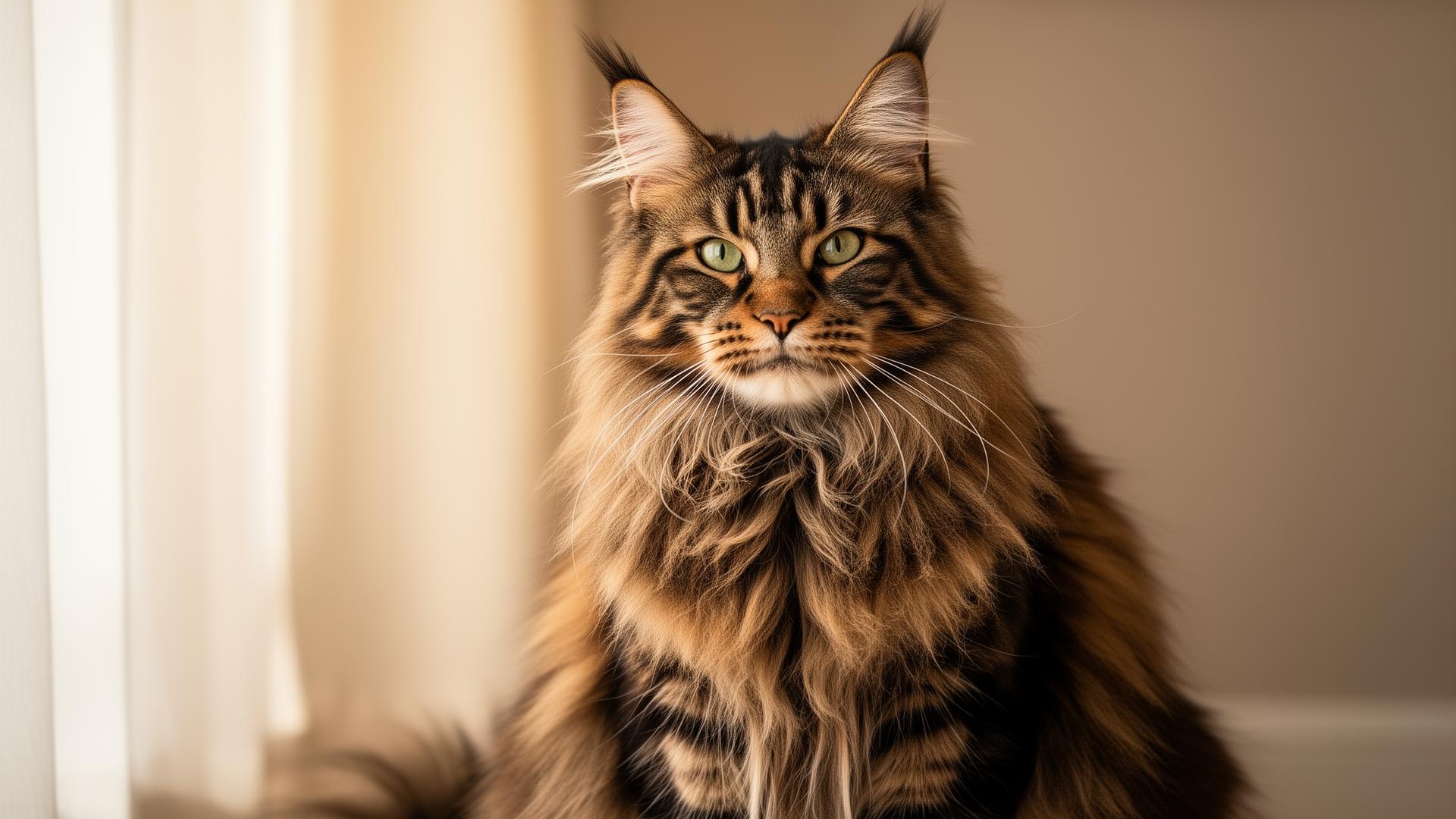
A solid Maine Coon wears one even color from nose to tail — black, blue, red, cream, or white. The look is calm and uncluttered, letting structure and presence speak.
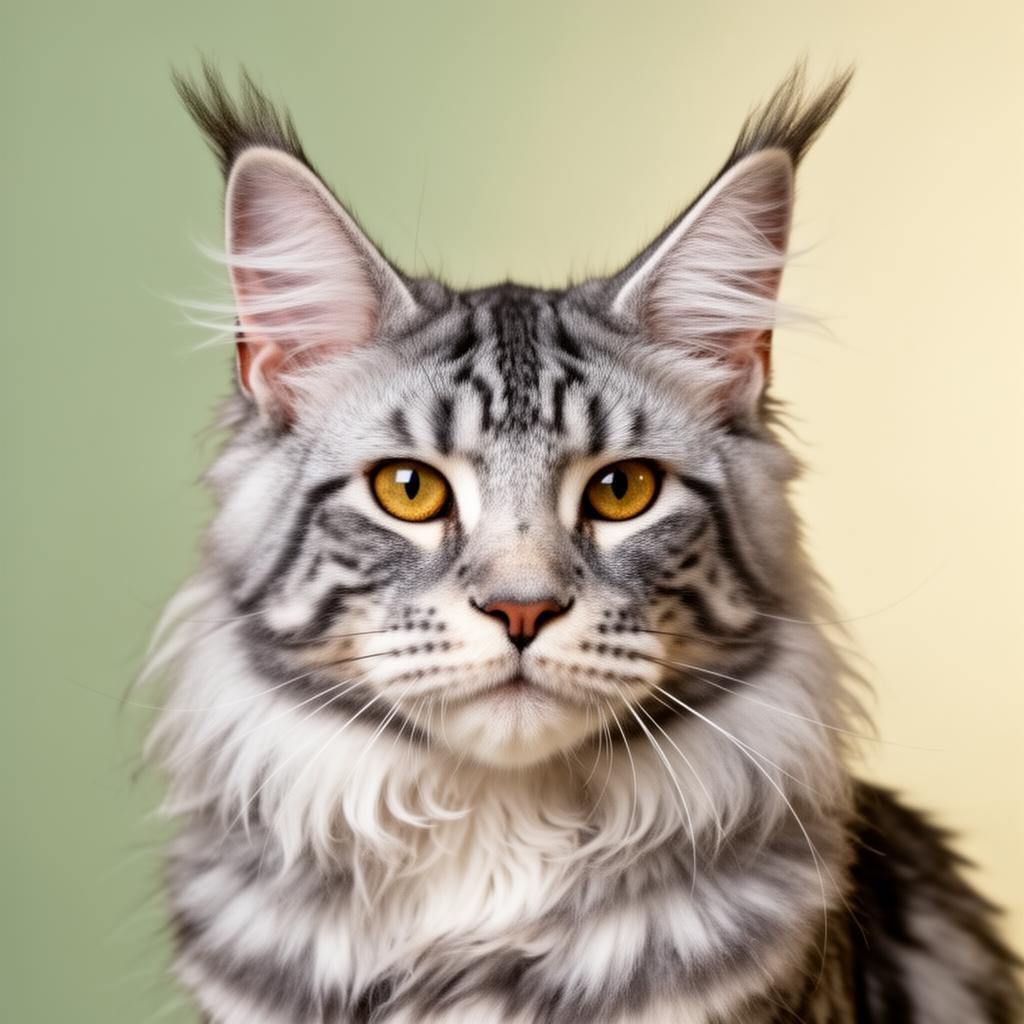
Classic swirls, mackerel stripes, ticked, and spotted patterns each tell their own story across the coat. Tabby is part of the breed's quintessential wild-yet-gentle character.
Silver brightens the undercoat with a cool shimmer; smoke hides a pale base beneath a darker top coat. Both create striking depth in motion.
Red and cream cats can be solid or tabby and are linked to the sex chromosomes. The warm tones often feel sunlit and gentle.
Tortie cats blend red and black in soft patches; torbie adds tabby markings into the mix. Each cat wears the pattern uniquely — no two are alike.
Dilute genetics soften black to blue and red to cream, producing quieter, dustier shades with the same Maine Coon presence.
White can appear as a small locket, mitted feet, bicolor, high white, or near-full van pattern. Placement varies cat by cat.
Maine Coon eyes are commonly gold, copper, or green. White or high-white cats can sometimes show blue or odd-eyed combinations.
Extra toes trace back to the breed's working-cat history along the coast. Some families treasure the heritage; others prefer the standard paw.
Some colors, traits, and genetic outcomes require pedigree knowledge or genetic testing. This page is educational only and should not be used as a guarantee of kitten color.
Section 03 · Educational Tool
An educational guide for organizing possible Maine Coon kitten color questions.
Section 04 · Philosophy
Maine Coon color can be breathtaking, but responsible kitten planning should never be built on color alone. A thoughtful program also considers health awareness, temperament, confidence, early handling, grooming preparation, family fit, and long-term support.
Screening, structure, and long-term wellness lead every thoughtful pairing.
Calm, confident, people-friendly cats matter more than fashionable looks.
Kittens go home when their bodies and nervous systems are ready — not before.
The right home for the right kitten outshines any color combination.
Section 05 · Approach
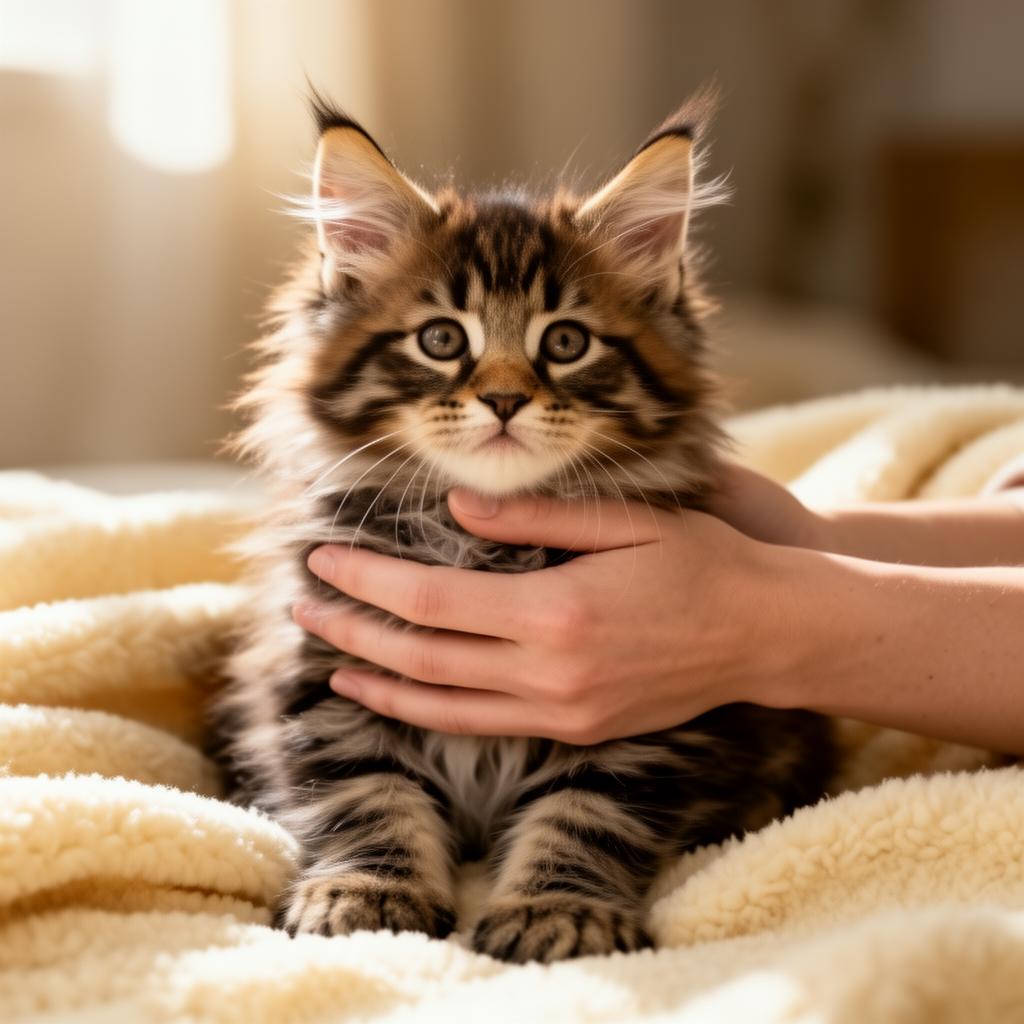
The Thoughtful Cat & Cattery™ views kittens as developing nervous systems, not just available pets. A kitten's early environment, handling, confidence, routine, and emotional safety can shape how prepared they are for family life.
Development
Kittens need safe handling, gentle exposure, rest, litter routine foundations, grooming practice, play, confidence building, recovery time, social learning, and a thoughtful transition into the family home.
Observation
Kitten matching should consider confidence, sensitivity, curiosity, play style, social interest, recovery skills, household energy, children, other pets, grooming tolerance, and realistic family needs. We do not guarantee a perfect match — we work toward a thoughtful one.
Coat Care
Maine Coons benefit from consistent brushing, coat maintenance, mat prevention, nail care, dental care, ear awareness, and gentle handling practice. This is educational and honest — not scary — and it helps families prepare for the real care a Maine Coon needs.
Health
Responsible Maine Coon education includes veterinary care, parent-cat information, breed-relevant health awareness, breed-appropriate health documentation, structure, movement, heart-health conversations, hips, nutrition, weight, and honest discussion of known breed concerns. No single test rules out all future concerns, and no cattery should claim perfect health or zero risk.
We use the phrase “breed-appropriate health documentation.” Families should always verify veterinary recommendations and breed-specific testing directly with their own veterinarian.
Daily Life
Cats benefit from scratching areas, resting spaces, climbing opportunities, hiding spaces, play, hunting-style enrichment, reliable litter access, fresh water access, predictable food routines, and safe household choices. Cat-friendly, stress-aware environments help indoor cats thrive.
Section 06 · Programs
Brain First Kitten™ focuses on early kitten confidence, trust, enrichment, handling, and nervous-system safety. The goal is to help kittens grow into cats who feel safer, more prepared, and more secure in human homes.
“Safety first. Expansion second.”
Important
Educational support only. This does not replace veterinary care, behavior diagnosis, or individualized professional advice.
Section 07 · Community
A thoughtful kitten is not raised by one person alone. The Platinum Purr-fect Village™ brings together breeder care, veterinary guidance, family education, enrichment, grooming preparation, behavior awareness, nutrition awareness, and long-term support.
Breeder
Family
Veterinarian
Behavior and enrichment education
Grooming and handling preparation
Nutrition awareness
Safe home environment
Ongoing support
Section 08 · Education
Some cats may grow into emotionally supportive companions, therapy-cat candidates, facility-cat candidates, or deeply people-connected family cats. No kitten should be guaranteed for a legal, emotional-support, or working role. Instead, thoughtful early development may support confidence, trust, handling tolerance, and human connection.
A careful note
ESA, therapy, service, and facility-cat roles have different meanings, rules, and requirements. This page provides education only and does not guarantee legal status, certification, public access rights, or working suitability.
Cats are not recognized as ADA service animals under federal public-access rules. We may discuss support cats, emotional support cats, therapy cats, facility-style cats, and home-support companionship, but cats do not share the same public-access status as trained service dogs. Always verify organization, facility, insurance, and local requirements before assuming any role for a cat.
Ask First
Thoughtful kitten buyers ask thoughtful questions. These are common starting points families bring to The Thoughtful Cat & Cattery™ — and good questions to bring to any cattery you research.
Transparency
Kitten buyers should be able to ask about parent cats, health documentation, veterinary care, kitten development, socialization, grooming needs, temperament observations, transition support, and long-term care expectations. Transparency is not a sales tactic — it is a baseline.
Section 09 · Principles
Section · Kittens
The Thoughtful Cat & Cattery™ is being built for families who want to learn before they choose. This section will be used for current kittens, planned pairings, upcoming litters, and thoughtful family matching updates.
Availability may change. Kitten placement is based on health, temperament, development, timing, and family fit — not color alone.
When kittens are currently available or being evaluated, this area will include photos, birth date, color or pattern notes, personality observations, early development notes, and placement status.
Kitten photo placeholder
Realistic Maine Coon image will appear here
Planned or expected litters will be listed here with thoughtful notes about the pairing, expected color possibilities, health considerations, temperament goals, and timing.
Queen photo
King photo
Maine Coon kittens are not placed by color alone. Matching should consider the kitten’s confidence, handling tolerance, household comfort, grooming readiness, social interest, family lifestyle, and long-term support needs.
Reach Out
Families are welcome to reach out simply to learn more about education, family fit, timing, kitten plans, and possible next steps. There is no pressure, no countdown, and no guaranteed placement — only thoughtful conversation.
Section 10 · Get In Touch
Independent
The following are independent educational and professional resources — not partners and not endorsements. Visitors must verify fit, credentials, pricing, availability, health needs, legal needs, organization rules, and requirements directly with each resource.
DogsNU™
Main animal education hub.
Bunny Loving Tree Hugger™
Natural-first animal wellness education.
Holistic Dog / BLTH Dog
Dog and cat ingredient education.
Crown & Collar Institute™
Documentation, recognition, and higher-standard education.
Lewis & Clark Therapy/Service Dogs™
Service, therapy, facility, and support-animal education.
Youth Ambassador
Youth animal education and leadership.
Learning Library
Deeper educational articles on cats, dogs, and family-centered animal care.
Listed resources are independent. The Thoughtful Cat & Cattery™ does not guarantee their availability, pricing, services, certifications, or outcomes.